The Ultimate Guide to Finding Your Ideal Running Shoes
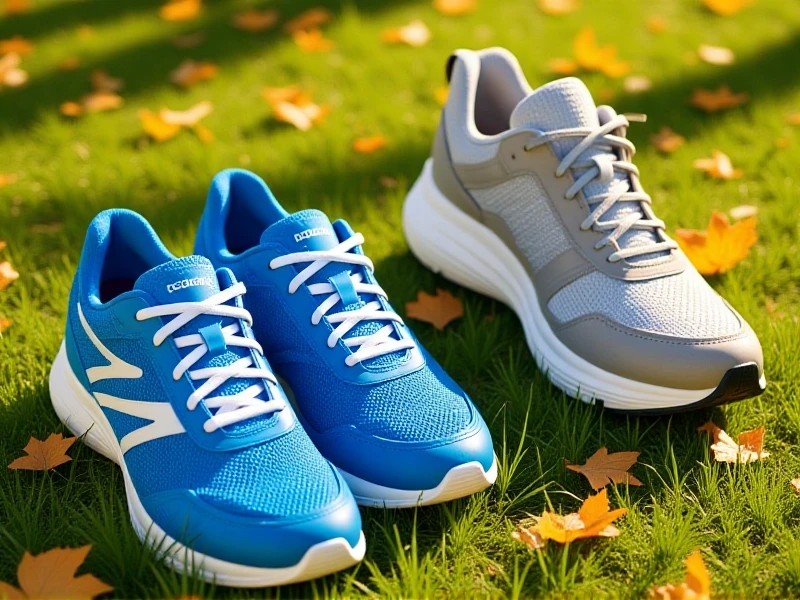
Running shoes are more than just stylish footwear—they're essential gear for anyone hitting the pavement or trails to boost fitness, improve performance, and enjoy their passion. With so many options out there, choosing the right pair of running shoes can make all the difference in your running experience. Whether you're a seasoned marathoner or a weekend jogger, this guide will help you navigate the key features to look for, ensuring your next run is comfortable and injury-free.
First, let's discuss why investing in quality running shoes matters. The right footwear provides crucial support, reducing stress on your joints and preventing common issues like shin splints or plantar fasciitis. Modern running shoes come with advanced cushioning technologies, such as foam midsoles and air pockets, which absorb impact and enhance stride efficiency. This not only improves your performance but also extends your running longevity, allowing you to push your limits safely. Always prioritize shoes designed specifically for running, as everyday sneakers lack the specialized features needed for high-impact activities.
When selecting the perfect pair of running shoes, consider key factors like your foot type, running surface, and personal goals. Start by analyzing your arch: flat feet benefit from stability shoes with medial support, while high arches may need neutral-cushioned models for better shock absorption. Next, think about the terrain. Road-running shoes offer lightweight designs with ample cushioning for pavements, whereas trail shoes have rugged outsoles for off-road adventures. Don't forget to factor in your mileage—long-distance runners should opt for reinforced durability and maximum comfort. A professional gait analysis at a specialty store can pinpoint your exact needs, ensuring a custom fit. Always try shoes on in the late afternoon when feet are naturally swollen, and wear running socks for an accurate feel.
There are various types of running shoes to explore, depending on your preferences. Neutral running shoes suit most runners with standard pronation, balancing flexibility and cushion. Motion-control shoes cater to overpronators, providing rigid support to correct alignment. For versatility, minimalist shoes promote a natural stride by mimicking barefoot running, but these require gradual adaptation. Look for breathable materials like mesh uppers to keep feet cool and dry during intense sessions. Lastly, maintain your running shoes by rotating pairs and replacing them every 300–500 miles to avoid worn-down cushioning that could lead to injuries.
In summary, the ideal running shoes elevate your runs by combining comfort, support, and innovation. Take your time to find shoes that match your unique needs—many retailers offer free fittings to help you decide. Ready to step up your game? Explore our latest collection today and discover how the right footwear can transform your journey. Happy running!