Discover the Perfect Pair: How to Choose Running Shoes That Love Your Feet
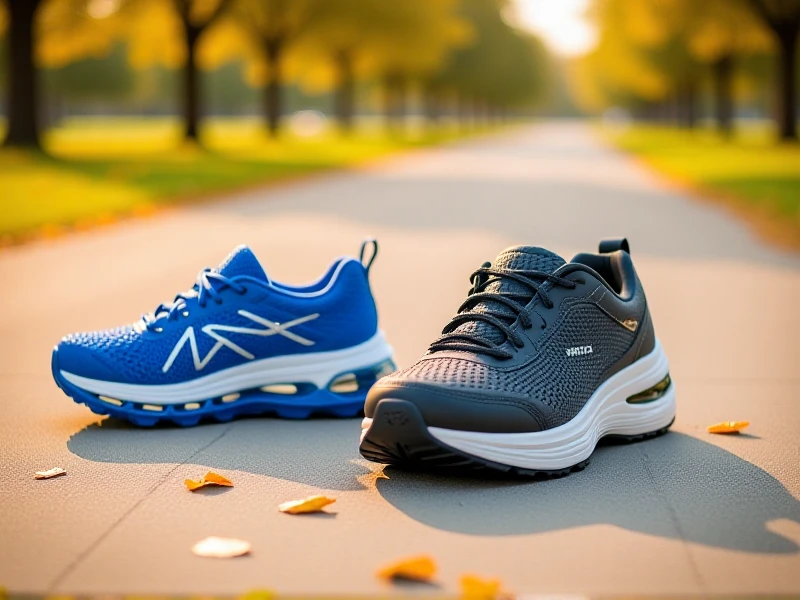
Finding the right running shoes is the foundation of every great run, whether you're tackling your first 5K or training for a marathon. The difference between a fantastic run and potential discomfort often lies right beneath your feet.
Fit is Everything Forget generic sizing charts. Your ideal running shoes should feel secure yet comfortable from the first step. Aim for about a thumbnail's width of space at the toes to prevent bruising during downhill stretches. Width matters too – your foot shouldn't spill over the midsole. Always try shoes on in the afternoon when feet are naturally slightly larger.
Cushioning Matters (But It's Personal) Do you crave plush landings or prefer feeling connected to the pavement? Running shoes come in a wide spectrum of cushioning:
- Maximum Cushion: Ideal for long distances or runners needing extra joint protection.
- Moderate/Neutral Cushion: The versatile middle ground, suitable for most daily training.
- Minimalist/Barefoot: Focuses on ground feel and natural foot movement (transition carefully!).
Know Your Gait, Conquer Your Run Understanding how your foot moves (pronation) is crucial. Are you a neutral runner, an overpronator, or an underpronator (supinator)? While gait analysis at a specialty running store is best, start by examining the wear pattern on your old running shoes. Significant wear on the inner edge often suggests overpronation, needing stability shoes. Wear concentrated on the outer edges might indicate supination.
Terrain Dictates Traction Road shoes prioritize smooth, lightweight feel. Trail running shoes feature aggressive lugs and protective plates for rocks and roots. If you stick mostly to pavement, a road shoe is perfect. Love exploring dirt paths? Invest in dedicated trail runners for enhanced grip and stability.
Performance Tip: Rotate Your Favorites Wearing the same pair every run speeds breakdown. Rotating two pairs of running shoes – perhaps one with max cushion for long runs and a lighter pair for speedwork – allows the foam time to recover, extending the life of both. It also subtly strengthens different foot muscles.
When to Say Goodbye? Running shoes generally last 300-500 miles. Signs it's time for a replacement include:
- Worn-down tread patterns.
- Noticeably compressed cushioning that no longer bounces back.
- New aches and pains that weren't there before.
Choosing the right running shoes isn't just about performance; it’s about preventing injury and enjoying every mile. Take the time to find the pair that truly loves your feet – your runs will thank you for it. Invest wisely, run comfortably!