Discover the Perfect Running Shoes for Peak Performance
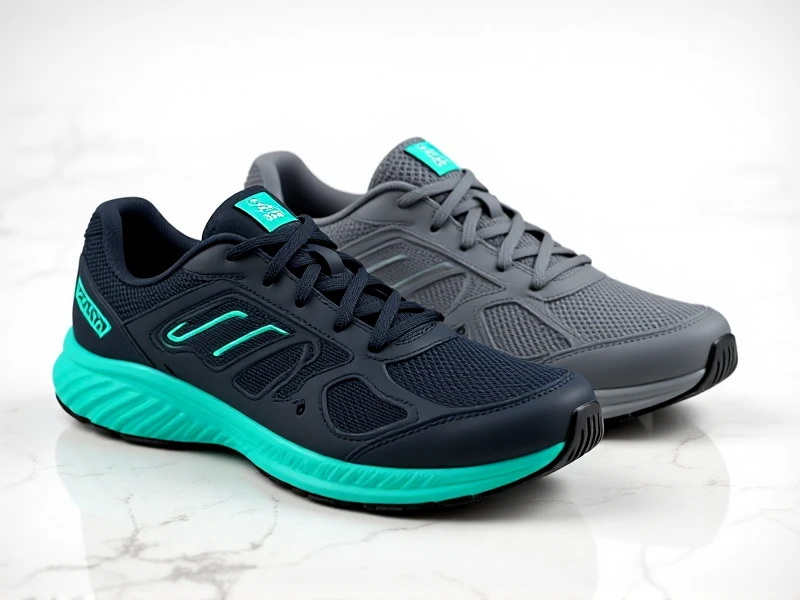
Running is one of the most accessible and rewarding forms of exercise, but without the right running shoes, it can quickly lead to discomfort, injuries, or reduced performance. Choosing the best running shoes isn't just about style—it's about finding shoes that offer the ideal blend of support, cushioning, and fit for your unique stride and goals. Whether you're a beginner tackling your first 5k or a seasoned marathoner, this guide will help you navigate the key factors to ensure every run feels effortless and fun. By investing in quality running shoes, you'll enhance your comfort, prevent common issues like plantar fasciitis, and boost your overall enjoyment on the track, trail, or treadmill.
Why Comfort Starts with Your Running Shoes
The right pair of running shoes acts as your foundation, absorbing shock and distributing pressure evenly across your feet. Modern designs incorporate advanced technologies such as engineered mesh for breathability, memory foam midsoles for responsive cushioning, and rugged outsoles for superior grip. For instance, if you're into road running, lightweight models with ample arch support can reduce fatigue over long distances. Meanwhile, trail enthusiasts should seek durable, grippy soles to handle uneven terrain. Always consider your foot type—neutral pronators need general support, while overpronators benefit from stability features. Trying on several pairs during mid-day when feet are slightly swollen ensures a snug, blister-free fit. Simply head to a specialty store where experts can video-analyze your gait to personalize recommendations.
Selecting Features That Elevate Your Run
When shopping for running shoes, focus on key elements like cushioning level—maximal for soft impact absorption or minimal for a natural feel. Breathable uppers prevent overheating, while reflective details boost visibility on dusk runs. Don't overlook sizing: measure your feet annually, as they can change, and allow extra space in the toe box. Popular brands like Nike, Brooks, and Hoka offer innovative options, such as carbon plates for speed shoes or rockered soles for smooth transitions. Aim to rotate between pairs to extend their lifespan, replacing them every 300-500 miles when the cushion wears thin. Pair this with proper running socks for added moisture management. Ultimately, the best running shoes feel like an extension of your body—test them out with a quick test jog to gauge comfort and response.
In conclusion, picking the ideal running shoes transforms your training, turning each session into a joy instead of a chore. Prioritize fit, support, and terrain-specific features to elevate your runs. Ready to upgrade? Explore reviews or consult a running pro to make an informed choice that matches your fitness ambitions. Lace up, hit your stride, and discover how great running can truly be!