Your Ultimate Guide to Finding the Perfect Pair of Running Shoes
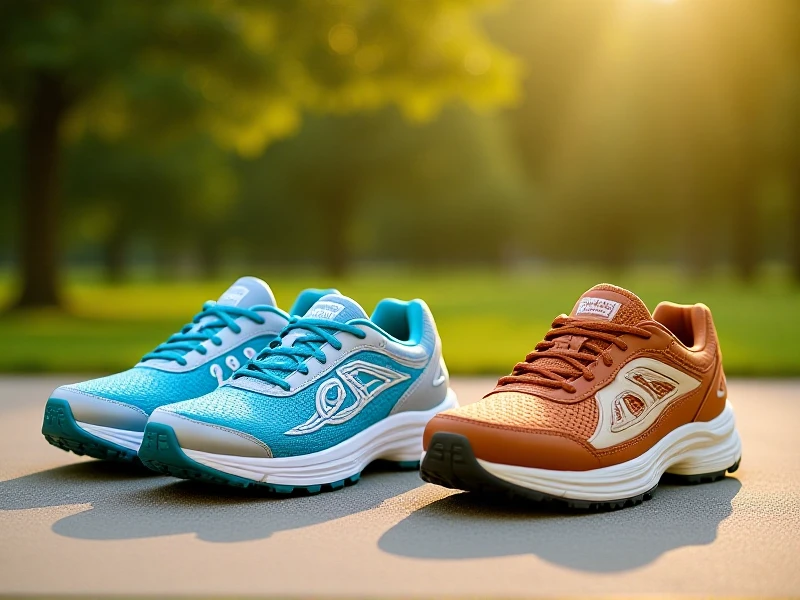
When it comes to fitness, running stands out as a top choice for staying active and healthy. But let's be real—choosing the right running shoes can feel overwhelming with all the options out there. The wrong pair can lead to blisters, joint pain, or even injuries that sideline your progress. I've seen too many runners make the mistake of grabbing just any athletic shoe, only to regret it later. That's why investing in a solid pair of running shoes tailored to your needs isn't just about comfort; it's about enhancing your performance and preventing long-term issues.
So, why do running shoes matter so much? Unlike casual sneakers, they're designed with specialized features like cushioning and arch support to absorb impact. Everyday runs on hard surfaces put stress on your feet, knees, and back. A good pair helps distribute that force evenly, reducing the strain. For instance, if you're logging miles on pavement, consider cushioning systems—they come in various levels depending on your mileage and running style. If you're new to running, start with basics like ample padding to ease into it without discomfort.
Now, let's break down the main types of running shoes available. First up, neutral shoes are ideal for runners with a natural gait, meaning your feet roll evenly with each step. They often feature lightweight materials for flexibility, great for moderate distances or sprints. Then, stability shoes step in for those with overpronation (where feet roll inward too much). These include features like medial posts to correct alignment, which can minimize knee or hip pain. And don't forget trail shoes—perfect if you love rugged paths. They boast aggressive treads and waterproof uppers for rough terrains, but they're bulkier, so think about weight if you're covering long routes.
Key features to look for include durability and breathability. Modern designs frequently use mesh fabrics to keep feet cool during summer runs, while rubber outsoles extend the shoe's lifespan through countless miles. Also, factor in personal needs—like minimal drop shoes for a natural feel or support-focused designs if you have flat feet. Try on pairs towards evening since feet swell later in the day. Aim for a thumb's width of space at the toe to avoid pinching. Brands constantly innovate, so keep an eye on reviews or try a quick jog in-store before buying.
In short, your running shoes are your partners in every stride. Take the time to find a pair that fits your unique needs, whether you're a marathon enthusiast or just starting out. By prioritizing comfort and functionality, you'll not only run longer but enjoy every step—keeping your fitness journey smooth and injury-free.